Why oral health matters before, during and after cancer treatment
Posted on January 5, 2026 in Healthy You
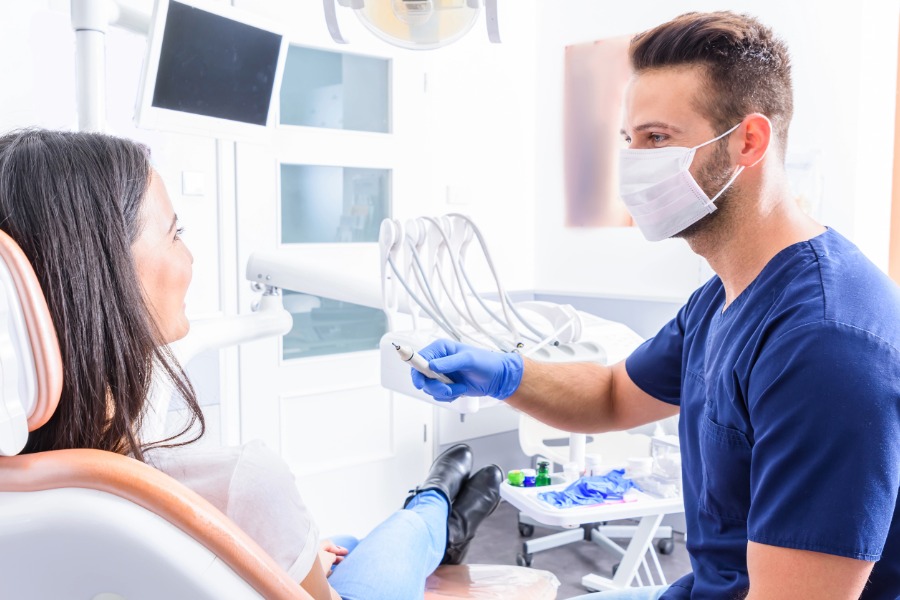
When you’re diagnosed with cancer and preparing for treatment, you may think first about chemotherapy, radiation or medication. But what many don’t realize is that your oral health plays a role in how well you tolerate treatment and how comfortable you feel during recovery.
Cancer therapies can cause oral health-related side effects like dry mouth, mouth sores, infections and delayed healing. But staying on top of your dental health through at-home hygiene and regular dental visits will keep problems at bay and improve your quality of life during recovery.
What you can do before cancer treatment starts
One of the best ways to reduce your risk of dental side effects is to see a dentist before therapy begins. The goal of seeing a dentist before the start of treatment is to identify any existing dental problems, such as cavities, gum disease or infection, that could worsen once cancer treatment begins.
During a pre-treatment dental exam:
- Dental problems are identified and treated.
- Your dentist may recommend fluoride treatments or adjustments to your dentures.
- You’ll receive education on daily at-home care that will help during your cancer journey.
Getting your oral health in good shape before cancer treatment begins helps reduce the chance of dental complications later on.
Oral care during and after treatment
Once treatment starts, ongoing dental care becomes part of your overall cancer care plan to prevent new dental problems from forming. Good oral hygiene habits and twice-yearly visits with your dentist will help reduce your risk for cavities, dry mouth, infections and mouth sores. Here are some good at-home oral health habits to keep:
- Brush with a soft-bristle toothbrush twice daily, using fluoride toothpaste.
- Floss once daily.
- Keep your mouth moist by rinsing it regularly with safe rinses (saltwater or prescribed mouthwashes).
- Stay alert to early signs of trouble, such as mouth pain, swelling or sores, and let your dentist or oncologist know immediately.
After treatment ends, your twice-yearly dental visits remain important. Some side effects, like reduced saliva production or increased cavity risk, may continue long term. Fortunately, your dentist can help keep them from becoming larger issues.
What you can do today
- Schedule a dental exam before you begin treatment.
- Maintain good daily oral hygiene (gentle twice daily brushing and once daily flossing).
- Let your oncology team and dentist coordinate care by sharing treatment plans and medications.
- Keep dental visits every 6 months during and after treatment.
Seeing your dentist twice a year is more than routine — it’s one of the best ways to protect your mouth and your health during your cancer journey. If you don’t currently have a dentist, you can find a Delta Dental of Iowa in-network dentist by using our online Find a Provider tool. Your smile matters, especially when it’s part of your cancer care plan.
SOURCES:
National Cancer Institute
UT Health San Antonio
National Institute of Dental and Craniofacial Research